
Who Does What: The Partnership Behind the Charleston Fisher House
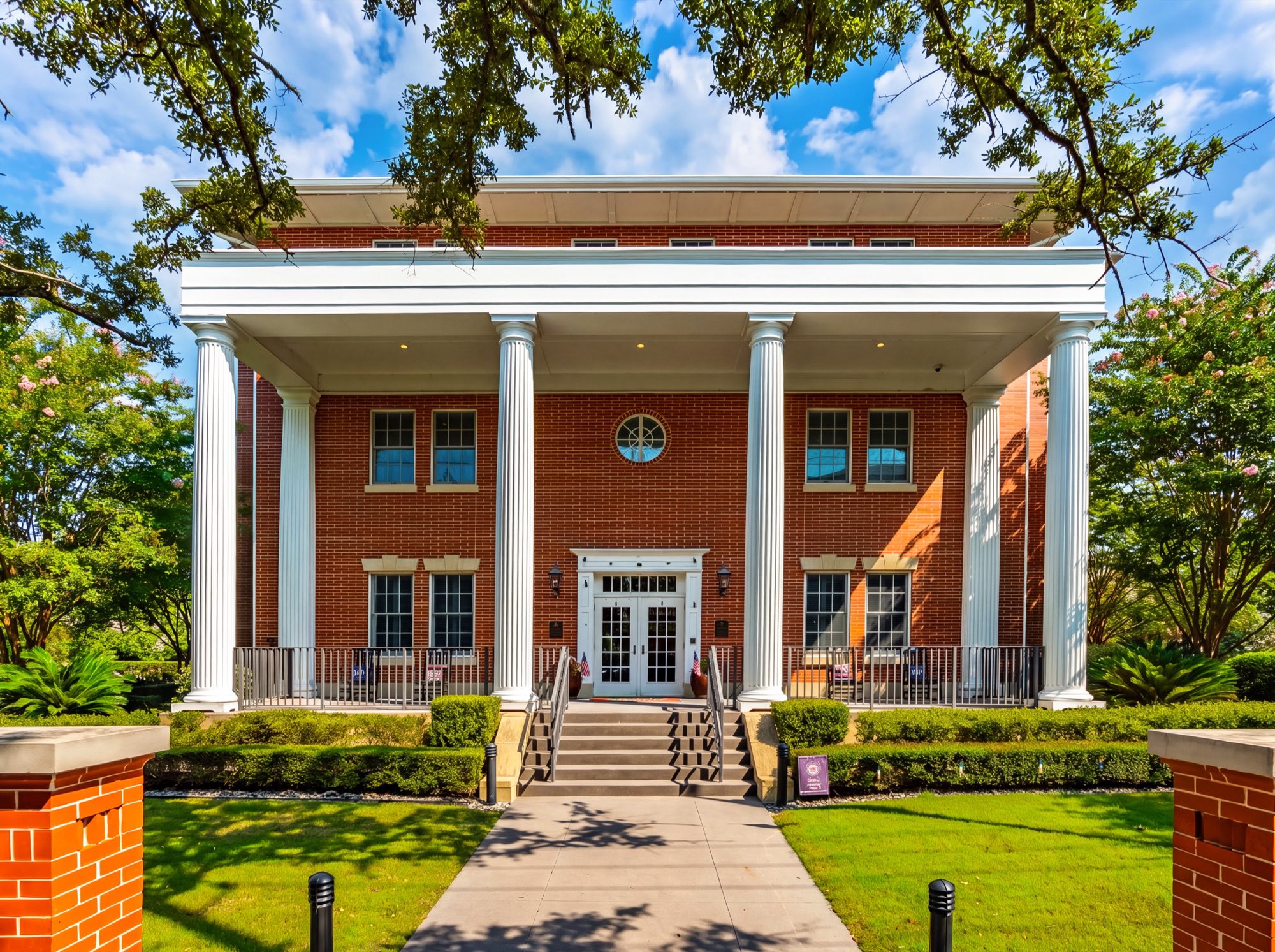
One House, Many Hands
Part of the confusion is the name. “Fisher House” refers to at least four different things, depending on who is talking. There is the Fisher House Foundation, the national nonprofit that builds the homes. There is the VA’s Fisher House program, which operates them at medical centers across the country. There is the Charleston Fisher House itself, the sixteen-suite home on Wentworth Street. And there is Friends of Fisher House Charleston, the local nonprofit that supports the families staying in it. Same name, same mission, four distinct roles.
The VA’s own program brochure describes the arrangement as a private-public partnership among the Foundation, the VA, and the Department of Defense. Each partner does one job and does it well. The shortest honest summary of the Charleston version goes like this:
The Foundation built the house. The VA runs it. The community keeps it a home.
The Fisher House Foundation: The Builder
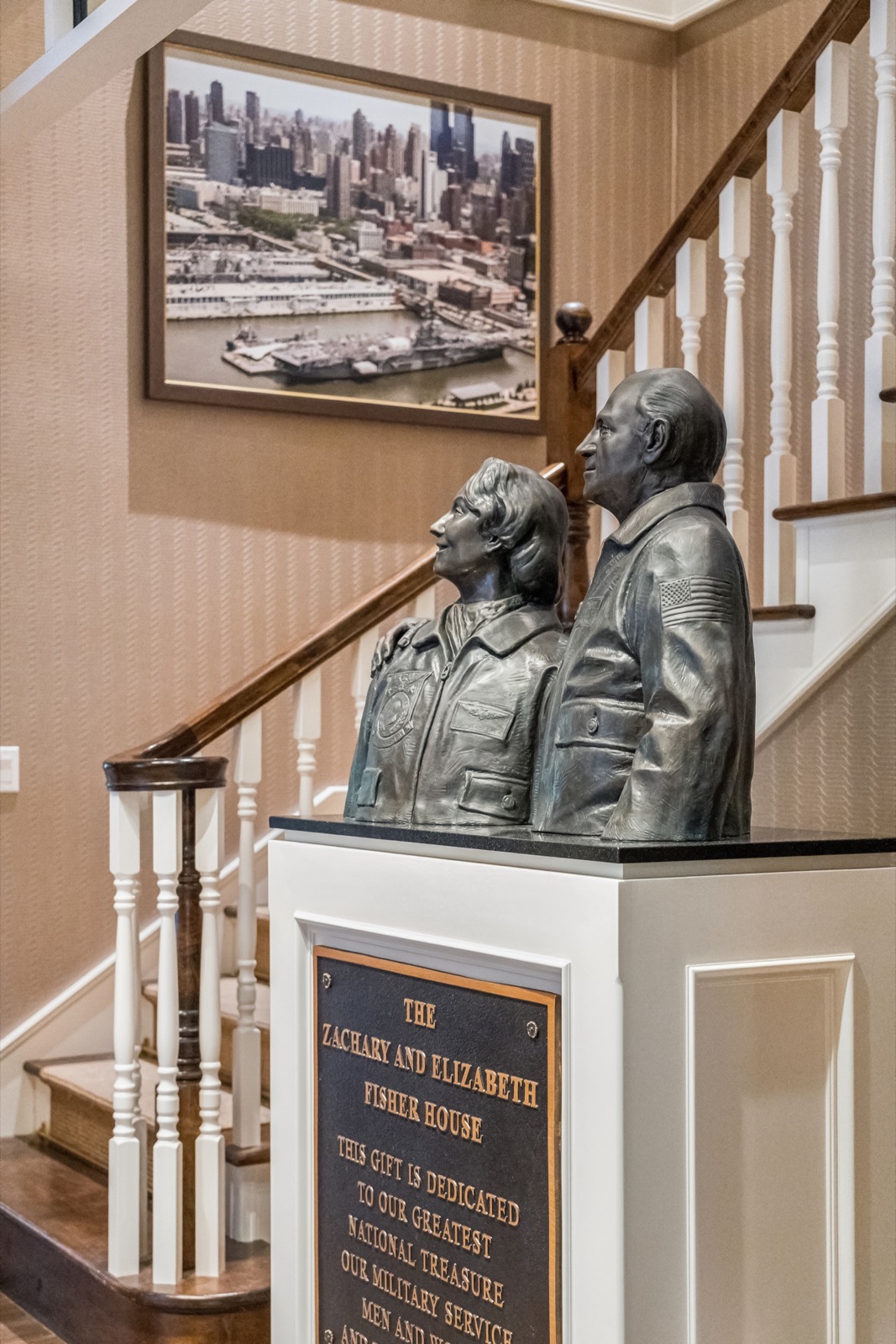
Then comes the handoff that surprises people: the Foundation gives the finished houses away. Each home is presented as a gift to one of the military services or to the Department of Veterans Affairs, and from that point forward the receiving agency owns and operates it. The director or commander of each medical center sets eligibility, priorities, and selection criteria for their house.
The network reached its 100th house in 2025, in North Chicago, and now includes 100 houses at more than 70 military and VA medical-center locations, including sites in Germany and the United Kingdom. By the Foundation’s estimate, the program has saved military and veteran families approximately $690 million in lodging and transportation costs since it began. The Foundation also runs national programs such as Hero Miles, which uses donated frequent-flyer miles to fly family members to a loved one’s bedside.
The Department of Veterans Affairs: The Operator
Once a house is gifted to the VA, it becomes part of the VA Fisher House program, which sits within the Veterans Health Administration’s social work service. The program provides temporary lodging for veterans, service members, their families, and caregivers while a loved one is receiving care through a VA facility. Families never pay to stay at a VA Fisher House.
In Charleston, that means the Ralph H. Johnson VA Medical Center, which serves veterans across twenty-one counties along the South Carolina and Georgia coast, operates the house day to day. The house staff are VA employees. They manage check-ins and room assignments, keep the house running, and walk each family through an often-frightening chapter of their lives. Families do not book a room directly: a referral comes through the veteran’s VA social worker or provider, and rooms are assigned first-come, first-served. At the Ralph H. Johnson VA Medical Center, guests must live at least fifty miles from the hospital to be eligible; because each medical center sets its own criteria, that number can differ at other locations.
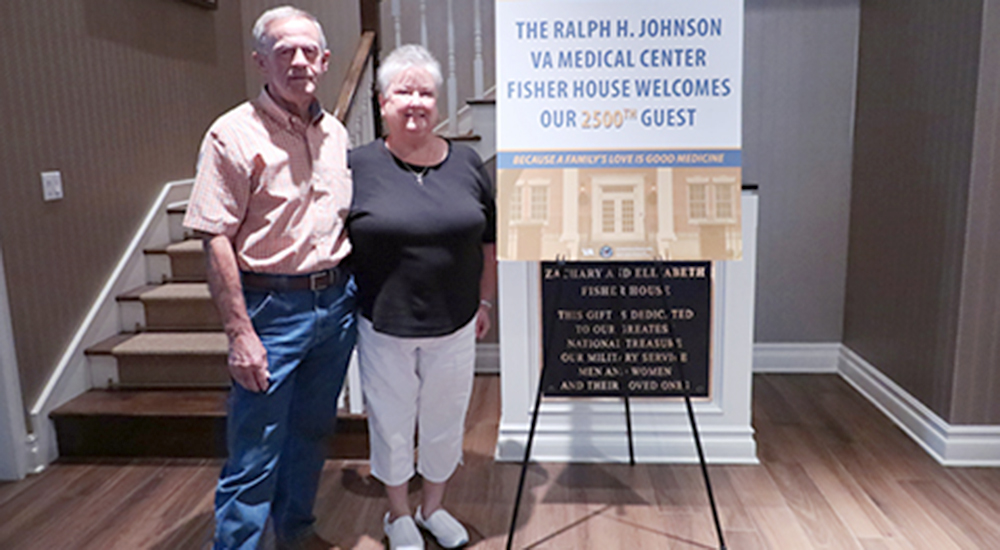
The house staff’s work shows up in what guests say about the place. When the Charleston house welcomed its 2,500th veteran family in July 2021, guest Kat Perdue put it this way:
“The Fisher House has provided great peace of mind and far less to worry about during these tough times. This place is a safe haven to come and feel at ease, both physically and emotionally.”
Friends of Fisher House Charleston: The Sustainer
Charleston almost did not get a Fisher House at all. The Ralph H. Johnson VA Medical Center, packed onto a tight downtown campus, lacked the land to qualify for one. So in 2013, a local effort led by Trux and Durbin Emerson set out to solve the problem the direct way: buy the land ourselves. More than $4 million was raised from individuals, families, civic organizations, foundations, and corporations to purchase 150 Wentworth Street, a long-abandoned funeral home a few blocks from the hospital. Thousands of community donations retired the land debt by January 2017.
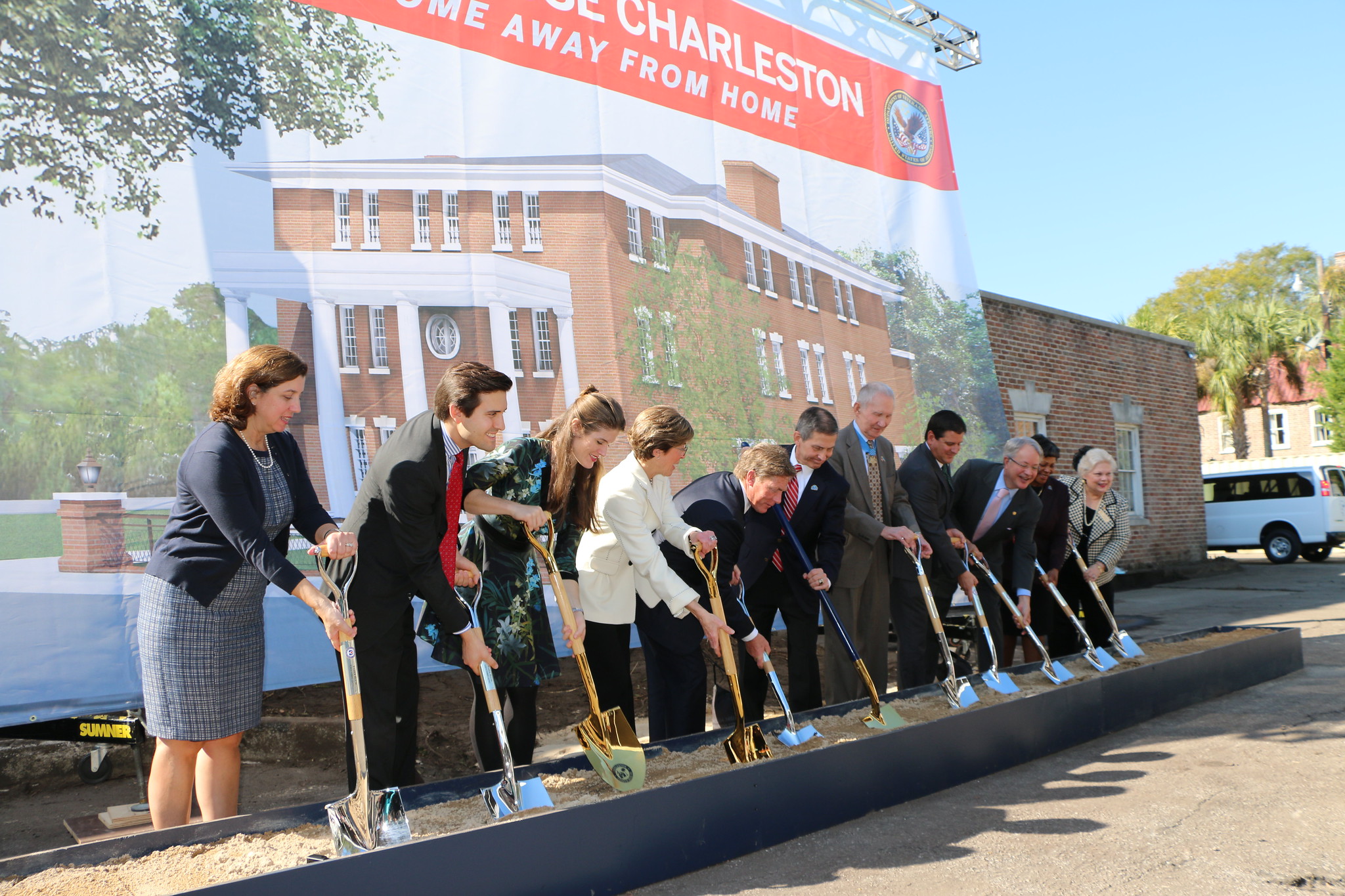
Getting from purchase to groundbreaking took years of negotiation with the City, the Preservation Society, and the Board of Architectural Review, including the full restoration of the property’s mid-19th-century carriage house, work later recognized with a Carolopolis Award. Ground was broken in November 2016 with Medal of Honor recipients Maj. Gen. James Livingston and Kyle Carpenter, Deputy VA Secretary Sloan Gibson, Ken Fisher, and Mayor John Tecklenburg on the shovels.
With the house built and gifted, Friends of Fisher House Charleston took on its permanent role: funding what government support does not cover. Today that means groceries and hosted meals for guest families, transportation and ride support, nearby hotel stays when the house is full, toiletries and everyday supplies, landscaping and upkeep, and capital projects that keep the home worthy of its guests. Friends of Fisher House Charleston receives no federal funding. Every dollar of that support comes from neighbors, businesses, and organizations in this community.
Two Kinds of Fisher Houses
A detail that trips up even longtime supporters: Fisher Houses exist on both military installations and VA medical center campuses, and the money works differently on each side. Houses gifted to the Army, Navy, and Air Force are supported by income from Congressionally approved trust funds maintained by each service, plus voluntary donations, and the Fisher House Foundation underwrites their room fees so families never see a bill.
Houses at VA medical centers, like Charleston’s, receive support from U.S. tax dollars, and there is never a charge to families. But the government covers only part of what it takes to run a true home rather than a dormitory. The gap between an operating budget and a stocked pantry, a hot meal after a long day in the ICU, or a hotel room when all sixteen suites are full is exactly where the community comes in.
Why Charleston Is One of a Kind
Most Fisher Houses sit on federal property, on the grounds of the base or medical center they serve. Charleston’s could not. The house here was built on private land that the community purchased and donated to the VA, and it is one of the few houses in the network located off-campus from its medical center. Because the site sits in Charleston’s historic district, the project went before a local design review board, a first in Fisher House history.
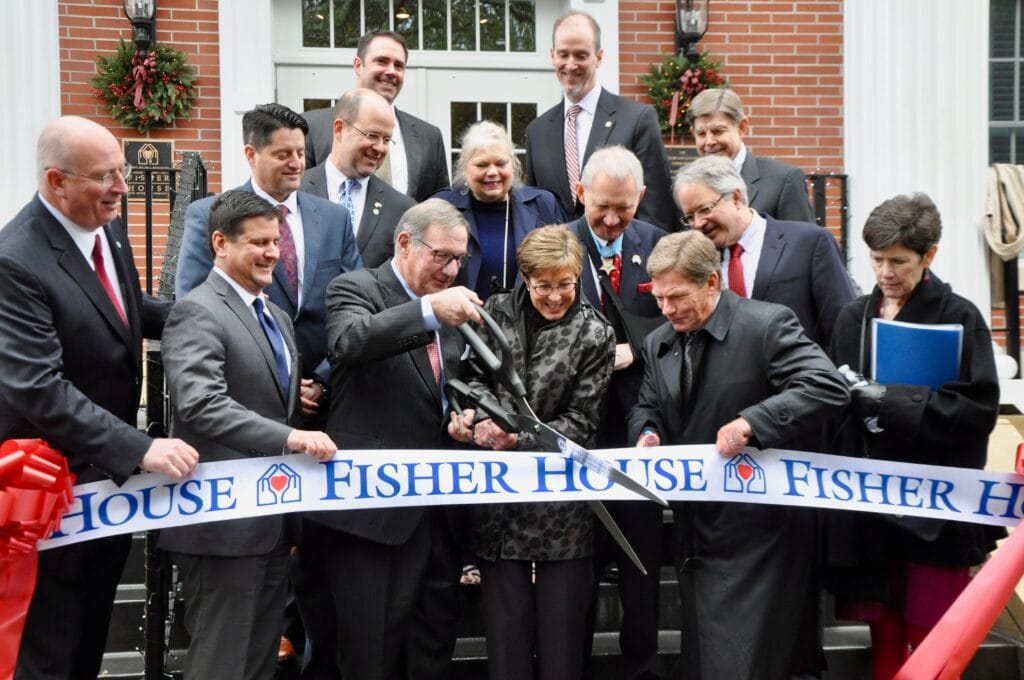
The house was dedicated in December 2017 and welcomed its first families in January 2018. It offers sixteen guest suites in roughly 15,000 square feet, about one mile from the hospital, and every one of the sixteen suites is wheelchair accessible.
Who to Contact for What
If your family needs lodging during a loved one’s treatment at the Ralph H. Johnson VA Medical Center, start with the veteran’s VA social worker or provider, who can make the referral. Our request-a-stay page walks through how it works.
If you want to know the house and its history, visit the house and our story. For national programs such as Hero Miles, or to find a Fisher House near another medical center, the Fisher House Foundation at fisherhouse.org is the place to start. And if you want to support the families staying here in Charleston, that is our job, and yours: every local donation goes to work at 150 Wentworth Street.
Since those first families arrived in January 2018, the Charleston Fisher House has served 9,572 veteran families and saved them $5.97 million in lodging costs. The Foundation built well. The VA operates faithfully. And every meal cooked, every ride given, and every hotel night covered when the house is full comes from this community. Four hands on one house, and room for yours.